- chihuahua puppies direct
Welcome to the World
of Chihuahuas
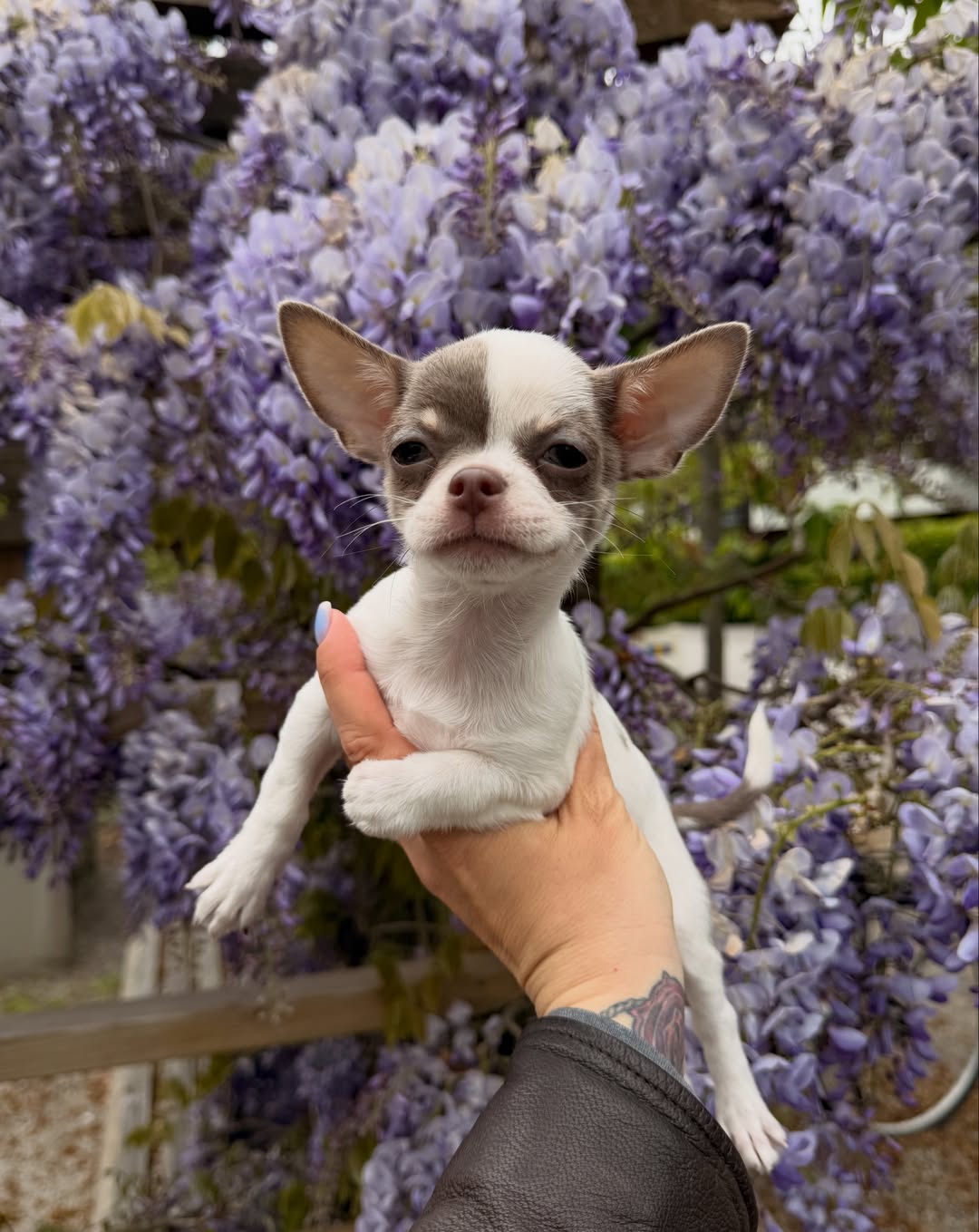
Chihuahuas are known for their big personalities in tiny bodies. They are fiercely loyal, often bonding closely with one person. They love cuddles, thrive on attention, and can be protective despite their small size.
Traits include:
- Playfulness
- Protectiveness
- Affection
Are Chihuahuas Good with Kids?
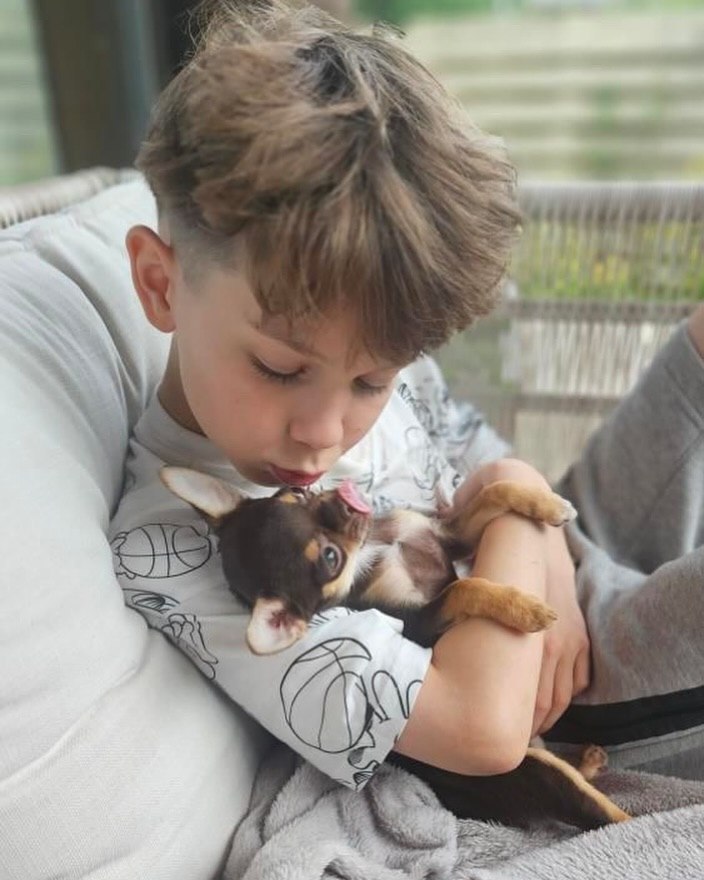
Chihuahuas can be wonderful family pets, but their relationship with children requires careful management. Because of their small size, they are physically delicate — a rough hug or accidental drop can cause injury. Young children often don’t realize how fragile a Chihuahua is, so supervision is essential. That said, Chihuahuas are affectionate and loyal, and many thrive in households with older, respectful kids.
The key is teaching children how to interact properly: gentle handling, no pulling on ears or tails, and understanding that the dog needs space when resting. Chihuahuas are known for their bold personalities, which can sometimes come across as bossy or territorial. They may bark or snap if they feel threatened, but this is usually a defensive reaction rather than aggression.
Families who set boundaries early — such as not disturbing the dog while eating or sleeping — often find their Chihuahua becomes a loving playmate. Socialization also plays a huge role. Puppies exposed to children from a young age are more likely to adapt well.
In short, Chihuahuas can be good with kids if the environment is structured, respectful, and supervised. They are best suited for families with older children who understand how to treat small animals gently. With patience and training, they can become loyal companions who bring joy to the entire household.
Do Chihuahuas Bark a Lot?
Yes, Chihuahuas are naturally vocal dogs. Their barking is part of their watchdog instinct — they may be tiny, but they believe it’s their duty to alert you to anything unusual. This can be both a blessing and a challenge. On one hand, they are excellent little guardians, warning you of strangers or unusual noises. On the other hand, excessive barking can become disruptive if not managed.
Chihuahuas bark for several reasons: excitement, fear, boredom, or to demand attention. They are highly intelligent and quickly learn that barking gets a response. Owners can reduce unnecessary barking through consistent training. Teaching commands like “quiet” and rewarding calm behavior helps. Providing mental stimulation — puzzle toys, short training sessions, or playtime — also reduces boredom barking.
It’s important to note that barking is part of their personality. Expecting a Chihuahua to be silent is unrealistic. Instead, the goal should be to manage barking so it doesn’t become excessive. Socialization helps too: a Chihuahua that is comfortable around people and other dogs is less likely to bark out of fear.
Ultimately, barking is one of the ways Chihuahuas communicate. With patience and training, you can strike a balance where your dog remains alert but not overly noisy.
How Much Exercise Do Chihuahuas Need?
Despite their small size, Chihuahuas are energetic and benefit from daily exercise. They don’t require long runs or intense workouts, but they do need consistent activity to stay healthy and happy. A typical Chihuahua thrives on 20–30 minutes of walking per day, combined with indoor play sessions.
Because they are lightweight, even short walks provide good exercise. They enjoy exploring, sniffing, and interacting with their environment. Playtime indoors — chasing toys, learning tricks, or playing fetch — also keeps them mentally stimulated. Mental exercise is just as important as physical activity, since Chihuahuas are intelligent and can become bored easily.
Owners should be mindful of weather conditions. Chihuahuas are sensitive to cold and may need sweaters or jackets during chilly walks. In hot climates, shorter walks during cooler times of day are best. Their small size means they can tire quickly, so watch for signs of fatigue.
Exercise also helps prevent behavioral issues. A Chihuahua with pent‑up energy may bark excessively or become destructive. Regular activity keeps them balanced and content.
In summary, Chihuahuas don’t need miles of running, but they do need daily movement and mental stimulation. A mix of short walks and playful interaction is perfect for keeping them healthy and happy.
Are Chihuahuas Easy to Train?
Training a Chihuahua can be both rewarding and challenging. They are intelligent dogs, quick learners, and eager to bond with their owners. However, they also have a stubborn streak and may test boundaries. Consistency, patience, and positive reinforcement are key to success.
Start training early, ideally during puppyhood. Focus on basic commands like sit, stay, and come. Chihuahuas respond well to rewards — small treats, praise, or playtime. Avoid harsh discipline, as it can damage trust and make them fearful.
House training is often the biggest challenge. Their small bladders mean they need frequent potty breaks, and accidents are common. Crate training and scheduled bathroom trips help establish routines.
Socialization is equally important. Chihuahuas can be wary of strangers and other dogs, so exposing them to different environments early builds confidence. Puppy classes or controlled playdates are excellent opportunities.
While they may be stubborn, Chihuahuas thrive when training is fun and engaging. Short, frequent sessions work best, as they can lose interest quickly. Owners who remain patient and consistent often find their Chihuahua becomes a well‑behaved, loyal companion.
Frequently Asked
Questions
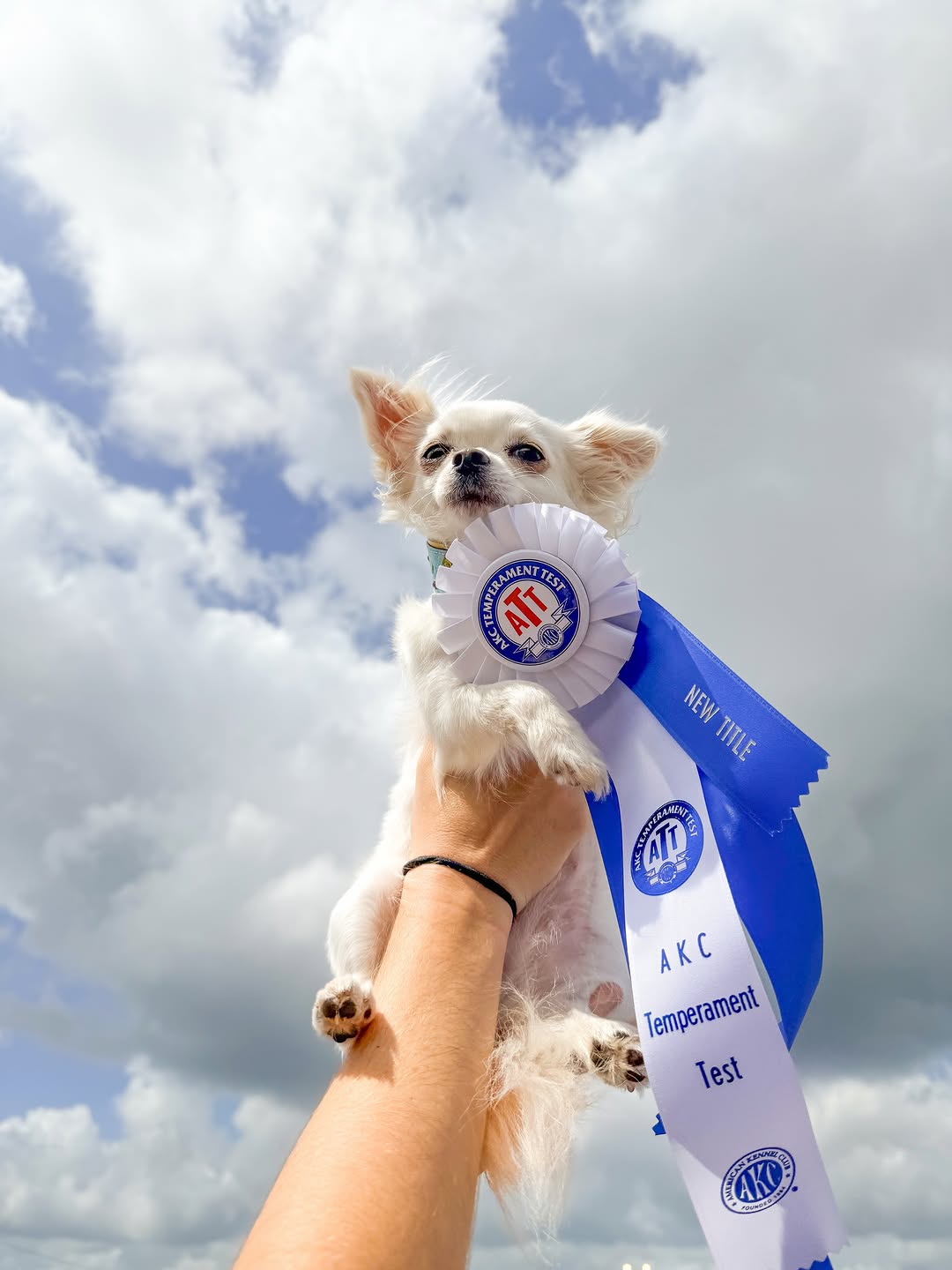
Chihuahuas adapt well to apartment living but also enjoy outdoor adventures. They love being part of family activities and often prefer being carried or tucked into cozy blankets.
Chihuahua Care Guides
info@chihuahuapuppiesdirect.com